


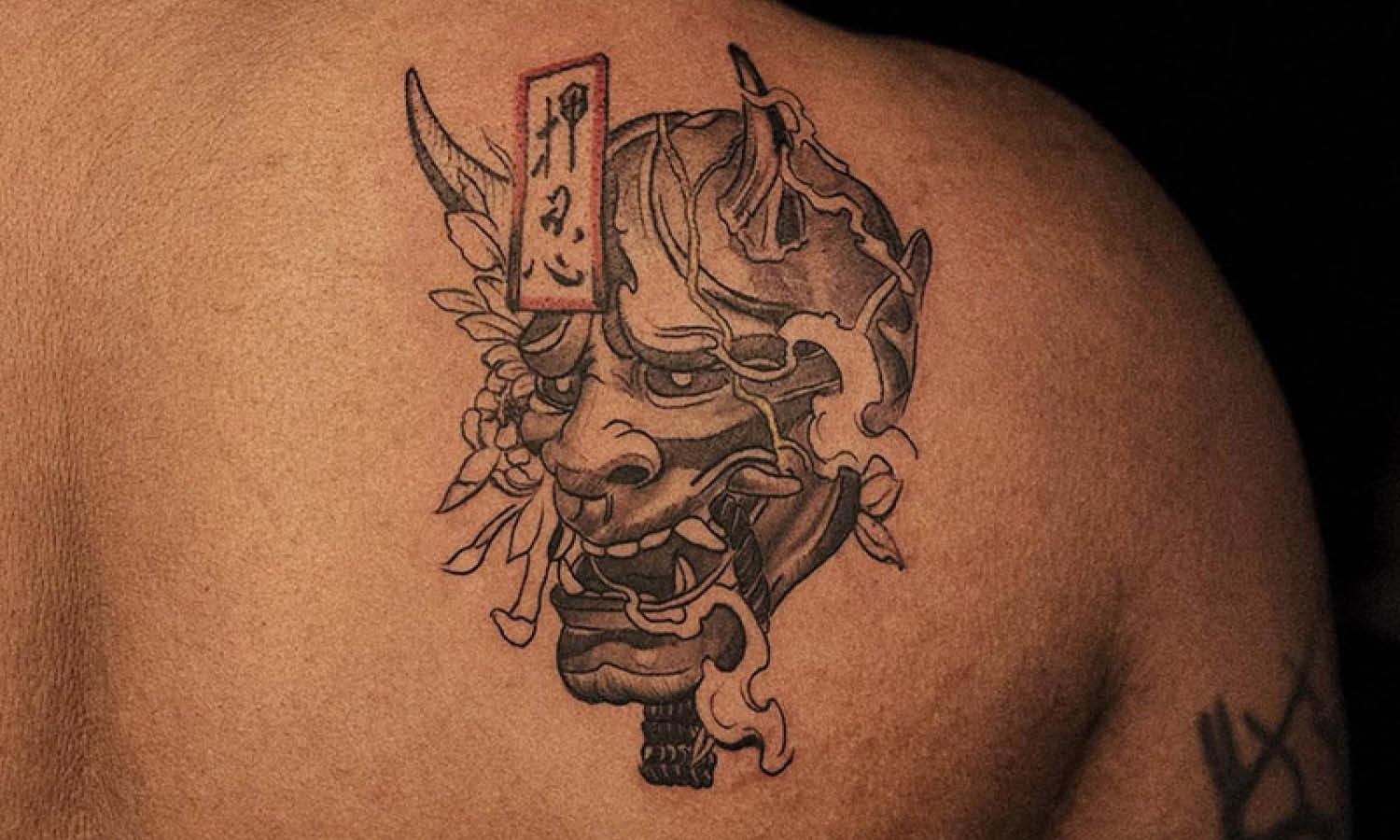
Japanese tattoo masks are a striking element of traditional Japanese tattoo art, known as Irezumi. These designs draw from rich cultural stories, myths, and theater traditions, blending bold visuals with deep meaning. If you’re curious about Japanese tattoo masks, this guide explores their history, symbolism, popular designs, and tips for choosing one. Let’s dive into the world of Japanese mask tattoos and uncover what makes them unique.
What Are Japanese Tattoo Masks?
Japanese tattoo masks are inspired by the masks used in Noh and Kabuki theater, as well as mythical creatures from Japanese folklore. These tattoos often depict dramatic faces of demons, spirits, or theatrical characters, each carrying a specific meaning. Unlike Western tattoos, which may focus purely on aesthetics, Japanese mask tattoos combine art with storytelling, reflecting themes like protection, strength, or transformation.
Origins in Japanese Culture
The roots of Japanese tattoo masks lie in ancient performance arts. Noh theater, dating back to the 14th century, uses carved wooden masks to portray characters like gods, demons, or ghosts. Kabuki, a more vibrant theater form from the 17th century, also features expressive masks. These theatrical masks inspired tattoo artists to create designs that capture their bold lines and emotional depth.
Connection to Irezumi
Irezumi, the traditional Japanese art of tattooing, began centuries ago and was often linked to spiritual beliefs. Masks became popular in Irezumi because they could symbolize complex ideas in a single image. For example, a demon mask might represent overcoming fear, while a Hannya mask could show jealousy or heartbreak. These tattoos were historically worn by warriors, merchants, and even outcasts to express identity or ward off evil.
Popular Japanese Tattoo Mask Designs
Japanese mask tattoos come in many forms, each with its own story. Below are some of the most iconic designs you’ll encounter.
Hannya Mask
The Hannya mask is one of the most recognized Japanese tattoo designs. It comes from Noh theater and depicts a jealous female demon with horns, sharp teeth, and a twisted expression. The mask symbolizes a woman consumed by rage or sorrow, often tied to betrayal in love. In tattoos, the Hannya is popular for its dramatic look and deep emotional meaning.
-
Symbolism: Jealousy, heartbreak, transformation
-
Visual Features: Horns, wide eyes, open mouth with fangs
-
Why Choose It?: Perfect for those who want a tattoo that tells a story of overcoming pain or inner strength
Oni Mask
Oni masks represent demons or ogres from Japanese folklore. These fierce faces often have red or blue skin, wild hair, and menacing grins. Oni tattoos are chosen for their protective qualities, believed to scare away evil spirits or bad luck. They’re a bold choice for anyone seeking a powerful, intimidating design.
-
Symbolism: Protection, strength, warding off evil
-
Visual Features: Bright colors, exaggerated features, often with a single horn
-
Why Choose It?: Ideal for those who value strength and resilience
Tengu Mask
Tengu are mythical creatures, part bird and part human, known as tricksters or protectors in Shinto beliefs. It mask tattoos often show a long-nosed face with a mischievous or wise expression. These designs appeal to those who admire balance, wisdom, or a playful spirit.
-
Symbolism: Wisdom, mischief, protection
-
Visual Features: Long nose, red face, sometimes with wings or feathers
-
Why Choose It?: Great for those who want a unique, less aggressive mask design
Kitsune Mask
Kitsune, or fox masks, are tied to the fox spirits of Japanese mythology. These spirits are known for their cunning and shape-shifting abilities. Kitsune mask tattoos often feature sleek, elegant fox faces, symbolizing intelligence and adaptability. They’re popular in both minimalist and detailed styles.
-
Symbolism: Cunning, intelligence, transformation
-
Visual Features: Sharp eyes, pointed snout, often white or red
-
Why Choose It?: Suits those who value cleverness or a connection to nature
Why Choose a Japanese Tattoo Mask?
Japanese mask tattoos stand out for their blend of art and meaning. Here’s why they’re a great choice for your next tattoo.
Rich Symbolism
Each mask carries a story, whether it’s about overcoming emotions, seeking protection, or embracing wisdom. This makes them more than just a design—they’re a personal statement. For example, someone who has faced betrayal might choose a Hannya mask to symbolize their journey through pain to strength.
Bold Aesthetic
Japanese mask tattoos are known for their vibrant colors and intricate details. The bold lines and dramatic expressions make them eye-catching, whether they’re part of a sleeve or a standalone piece. They work well in large or small designs, depending on your preference.
Cultural Connection
Getting a Japanese mask tattoo shows respect for Japan’s rich cultural history. By understanding the meaning behind your design, you connect with centuries-old traditions of art, theater, and storytelling. This adds depth to your tattoo and makes it a conversation starter.
Tips for Choosing Your Japanese Mask Tattoo
Ready to get a Japanese mask tattoo? Here are some practical tips to help you choose the perfect design.
Research the Meaning
Before picking a mask, learn about its symbolism. A Hannya mask might resonate if you’ve overcome emotional challenges, while an Oni mask could suit someone seeking protection. Make sure the meaning aligns with your personal story or values.
Find a Skilled Artist
Japanese tattoos require precision and skill, especially for detailed mask designs. Look for an artist experienced in Irezumi or Japanese-style tattoos. Check their portfolio for clean lines, vibrant colors, and authentic designs.
Consider Placement and Size
Think about where you want your tattoo and how large it should be. A Hannya mask might look stunning on a shoulder or chest, while a smaller Kitsune mask could fit on a forearm or ankle. Discuss placement with your artist to ensure the design flows with your body.
Incorporate Personal Elements
Make your tattoo unique by adding personal touches. For example, you could pair a Tengu mask with cherry blossoms or a dragon to reflect your personality. Work with your artist to blend these elements seamlessly.
How to Care for Your Japanese Mask Tattoo
Proper aftercare keeps your tattoo vibrant and healthy. Follow these steps to ensure your Japanese mask tattoo heals well.
-
Keep It Clean: Wash the tattoo gently with mild soap and water twice a day.
-
Moisturize: Apply a thin layer of fragrance-free lotion or tattoo ointment as recommended by your artist.
-
Avoid Sun Exposure: Keep your tattoo covered or use sunscreen to prevent fading.
-
Don’t Scratch: Let any scabs or peeling skin heal naturally to avoid scarring.
Conclusion
Japanese tattoo masks are more than just striking designs—they’re a window into Japan’s cultural heritage. From the intense Hannya to the mischievous Tengu, each mask tells a story of emotion, protection, or transformation. By choosing a design that resonates with you and working with a skilled artist, you can create a tattoo that’s both meaningful and beautiful. Whether you’re drawn to the bold aesthetics or the deep symbolism, a Japanese mask tattoo is a timeless way to express yourself.


