


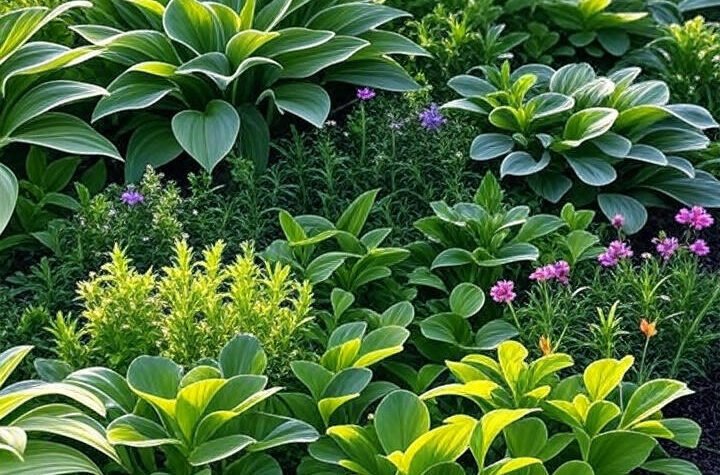
Landscaping filler plants are the unsung heroes of landscaping. They weave together the elements of a garden, filling gaps and adding texture to create a cohesive and inviting outdoor space. Whether you’re designing a small backyard in [Your City] or a sprawling front yard, these plants bring balance and beauty. It dives into what filler plants are, why they’re essential, and how to use them effectively to elevate your garden’s appeal. With careful selection, your landscape can stay lush and vibrant throughout the year.
Understanding Filler Plants
Filler plants are low to medium-height plants that fill empty spaces in garden beds, borders, or containers. They act as a supporting cast, enhancing focal points like tall shrubs or colorful blooms. These plants prevent bare soil from showing, reduce weed growth, and add depth to your design. From lush hostas to delicate ferns, filler plants come in many forms, each offering unique textures and colors. They’re often low-maintenance, making them ideal for gardeners of all skill levels.
Why Filler Plants Are Essential
Filler plants do more than just cover empty spaces. They create a polished look by hiding bare soil and adding layers to your garden. These plants introduce variety through contrasting textures, like the soft fronds of ferns against the bold leaves of hostas. They also support taller plants, drawing attention to your garden’s focal points. Many fillers, such as creeping thyme, act as natural weed suppressors by blocking sunlight. In [Your City]’s climate, choosing the right fillers ensures your garden thrives with minimal effort.
Benefits for Your Garden
The benefits of filler plants extend beyond aesthetics. They stabilize soil, reducing erosion in sloped areas. Their dense growth helps retain moisture, which is especially useful in dry regions. Fillers also attract pollinators like bees, supporting local ecosystems. By selecting plants suited to your area, you create a sustainable and low-care garden that looks vibrant year-round.
Popular Filler Plants for Every Garden
Selecting the right filler plants depends on your garden’s conditions and style. Below are some top choices that work well in various settings, including [Your City]’s unique climate. These plants are versatile, easy to grow, and add charm to any landscape.
Hostas for Shady Corners
Hostas are a favorite for shaded gardens. Their wide, lush leaves come in green, blue, or variegated patterns, adding richness to dim areas. These plants thrive in moist, well-drained soil and require little care once established. In [Your City], where shade from trees or buildings is common, hostas fill gaps under canopies or along borders. Regular watering and occasional division keep them healthy, making them a reliable choice for busy gardeners.
Ferns for Soft Texture
Ferns bring a delicate, feathery look to gardens. Varieties like ostrich or maidenhair ferns excel in shaded or partially shaded spots, pairing well with bolder plants. Their soft texture contrasts with structured shrubs, creating a balanced design. Ferns prefer moist soil and benefit from mulching to retain water. In [Your City], they’re perfect for woodland-style gardens or near water features, adding a touch of elegance.
Ornamental Grasses for Movement
Ornamental grasses, such as fountain grass or blue fescue, add dynamic movement to sunny gardens. Their slender blades sway in the breeze, creating a sense of life. These grasses tolerate various soils and need minimal care, making them ideal for low-maintenance landscapes. In [Your City], they work well in borders or as container accents. Cutting them back in early spring promotes fresh growth, keeping your garden tidy.
Creeping Thyme for Ground Cover
Creeping thyme is a low-growing, fragrant plant that spreads quickly. It’s perfect for filling gaps between stepping stones or in rock gardens. This hardy plant withstands light foot traffic and attracts pollinators like bees. In sunny areas of [Your City], creeping thyme thrives in well-drained soil. Trimming it after flowering encourages dense growth, ensuring a lush carpet effect.
Coral Bells for Colorful Accents
Coral bells, or Heuchera, offer vibrant foliage in shades of purple, red, and green. Their compact size makes them ideal for edging or containers. These plants adapt to sun or shade, depending on the variety, and add pops of color to mixed borders. In [Your City], coral bells bring year-round interest, especially when paired with grasses or ferns. Good drainage and moderate watering keep them thriving.
How to Incorporate Filler Plants in Your Design
Using filler plants effectively requires thoughtful planning. Start by assessing your garden’s layout and identifying areas that need filling. Consider light, soil, and water conditions to choose plants that will thrive. Mixing textures, like feathery ferns with bold hostas, adds visual interest. Vary plant heights to create a layered effect, with low fillers in front and taller ones behind. For year-round appeal, combine evergreen fillers like ferns with seasonal ones like coral bells. In [Your City], selecting plants suited to local conditions ensures success.
Planning Your Layout
Begin with a garden sketch. Mark focal points, like trees or vibrant flowers, and note empty spaces. Check sunlight patterns to choose appropriate fillers. For example, hostas suit shady spots, while creeping thyme loves sun. In [Your City], consult local nurseries for native plants that handle your climate well. This step ensures your fillers complement the overall design.
Spacing and Maintenance Tips
Proper spacing prevents overcrowding and promotes healthy growth. Check plant tags for mature size guidelines and space accordingly. For maintenance, water regularly but avoid overwatering, especially for plants like coral bells. Mulch around fillers to retain moisture and deter weeds. In [Your City], seasonal care, like cutting back grasses in spring, keeps your garden neat.
Enhancing with Filler Plants
Filler plants enhance your garden’s aesthetic and function. They frame focal plants, making them stand out, and create a cohesive look. For example, pairing creeping thyme with stepping stones adds charm to pathways. In [Your City], fillers like ornamental grasses add texture to modern designs. Experiment with combinations to find what suits your style.
-
Texture Variety: Combine soft ferns with spiky grasses for contrast.
-
Color Balance: Use coral bells for vibrant pops against green hostas.
-
Seasonal Interest: Mix evergreen and seasonal fillers for year-round beauty.
-
Pollinator Support: Choose creeping thyme to attract bees and butterflies.
Conclusion
Landscaping filler plants are the backbone of a stunning garden. They fill gaps, add texture, and create a balanced, inviting space. From hostas in shady corners to creeping thyme along pathways, these plants offer versatility and low maintenance. By planning your layout and choosing fillers suited to [Your City]’s climate, you can craft a vibrant landscape that thrives year-round. Experiment with textures, colors, and heights to make your garden uniquely yours. Start incorporating filler plants today to elevate your outdoor space.


